
Product construction
Size, shape, panel count, internal support, filling and finishing operations.
OEM / ODM development
Soft-goods projects succeed when creative intent, construction, buyer requirements and production feasibility are aligned early. Our process creates decision points before mass production.
Typical project timeline
This is a workflow framework, not a fixed delivery promise. Stages may overlap or repeat depending on design complexity, material availability, revision needs and buyer approvals.
The buyer brief, target market, intended use, visual direction and confidentiality needs are clarified.
Construction, proportions, decoration, materials and manufacturing risks are reviewed before sample work begins.
Fabric, filling, thread, trims and packaging direction are assessed against hand-feel, appearance and project requirements.
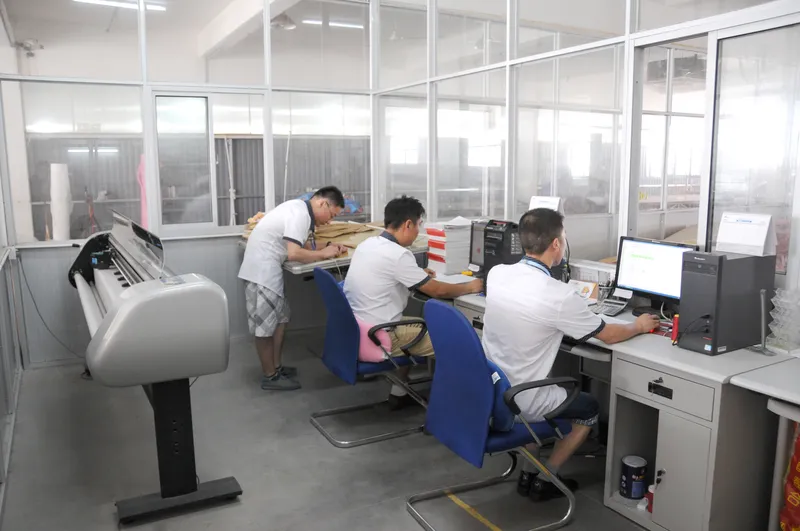
Patterns translate the approved visual direction into a repeatable physical construction.
A physical sample is produced using the agreed development direction and available materials.
Buyer feedback is documented and translated into controlled changes; the number of rounds depends on the project.
The buyer confirms the reference sample, artwork, materials, packaging direction and any agreed inspection requirements.
Approved construction and production instructions move into the appropriate cutting, embroidery, sewing, filling and finishing workflow.
In-process and finishing checks are applied according to the product and buyer-agreed quality plan.
Retail, gift-set or bulk export packaging is confirmed before pack-out; carton and marking requirements are project-specific.
Shipment preparation and export coordination follow the approved delivery arrangement and documentation requirements.
MOQ & project planning guide
We do not publish a generic price calculator because soft-product economics depend on the construction. A useful quotation follows a design review.
Size, shape, panel count, internal support, filling and finishing operations.
Fabric type, colour, availability, filling, trims, thread and buyer-specific material requirements.
Embroidery, print, applique, sequin work, labels and placement complexity.
Quantity, packaging, inspection, delivery timing and target market.

Approved patterns and material direction support repeatable cutting before sewing.
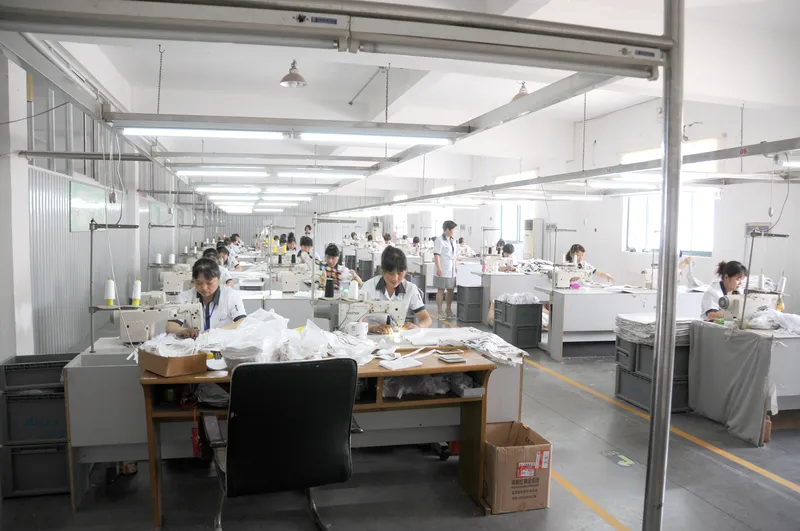
Clear development decisions reduce ambiguity when a sample direction moves into production.
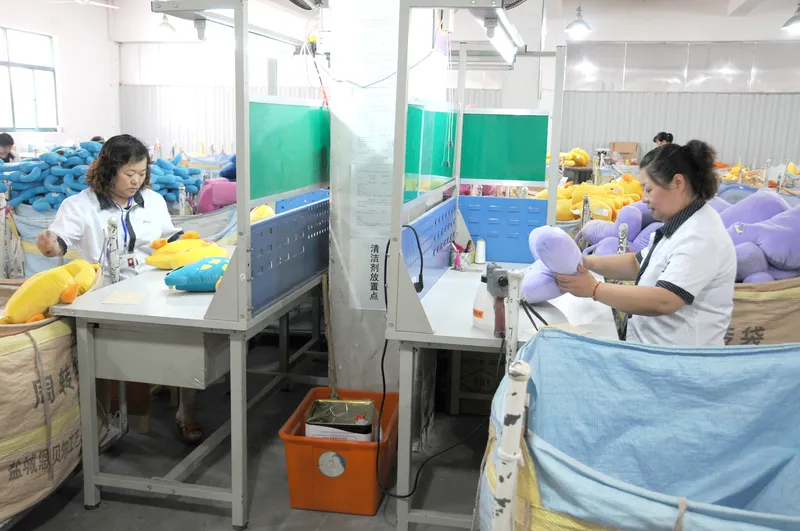
Final appearance and workmanship checks are part of the pack-out preparation workflow.
Start with what you know
Tell us the target market, estimated quantity and desired customization. Sensitive design files can follow after direct contact.
Request a feasibility reviewBuyer resources
Use a clear brief, agreed sample and documented requirements to move from product references to a useful quotation.
A practical checklist for every product line, from materials and dimensions to packaging and sample approval.
Start with the all-category checklist, or go deeper into custom plush costs, sampling and supplier selection.
Find answers about quotation inputs, confidential artwork, inspection and requests for factory documents.